
Restoring a Rolex Explorer 1 (Ref. 6610)
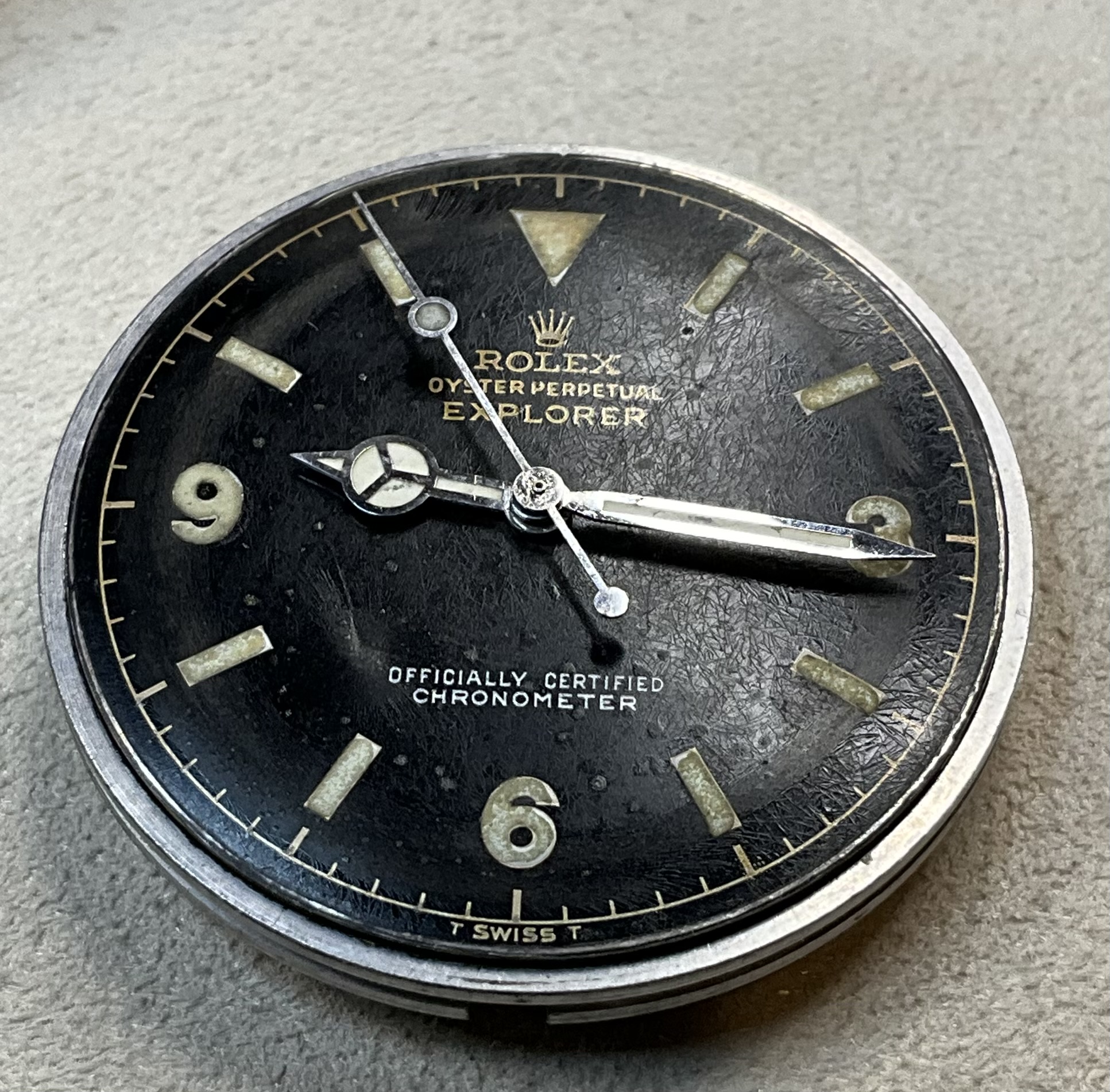
Few watches are as quietly iconic as the Rolex Explorer 1. This reference 6610 came to our Seattle workshop wearing its history honestly — a patinated black dial with gilt 3, 6, and 9 — for a full service. The agreed work: a new crown and crown tube, a new high-grade crystal, and whatever the movement needed once we were inside.
Inside the movement
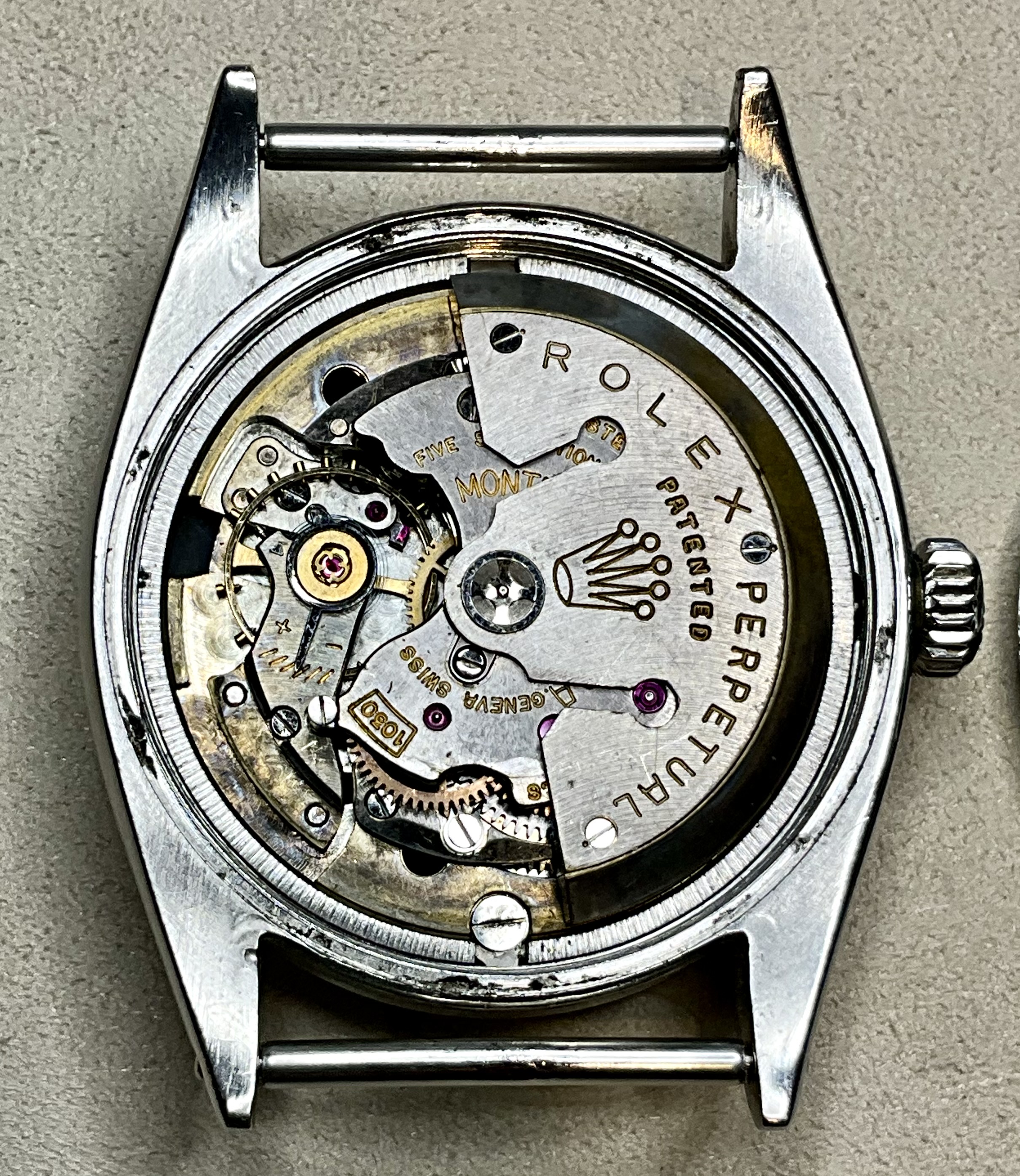
We uncased the movement and broke it down for cleaning. Fully disassembled, the diagnosis came into focus: it needed a new mainspring, and the winding system would need attention.
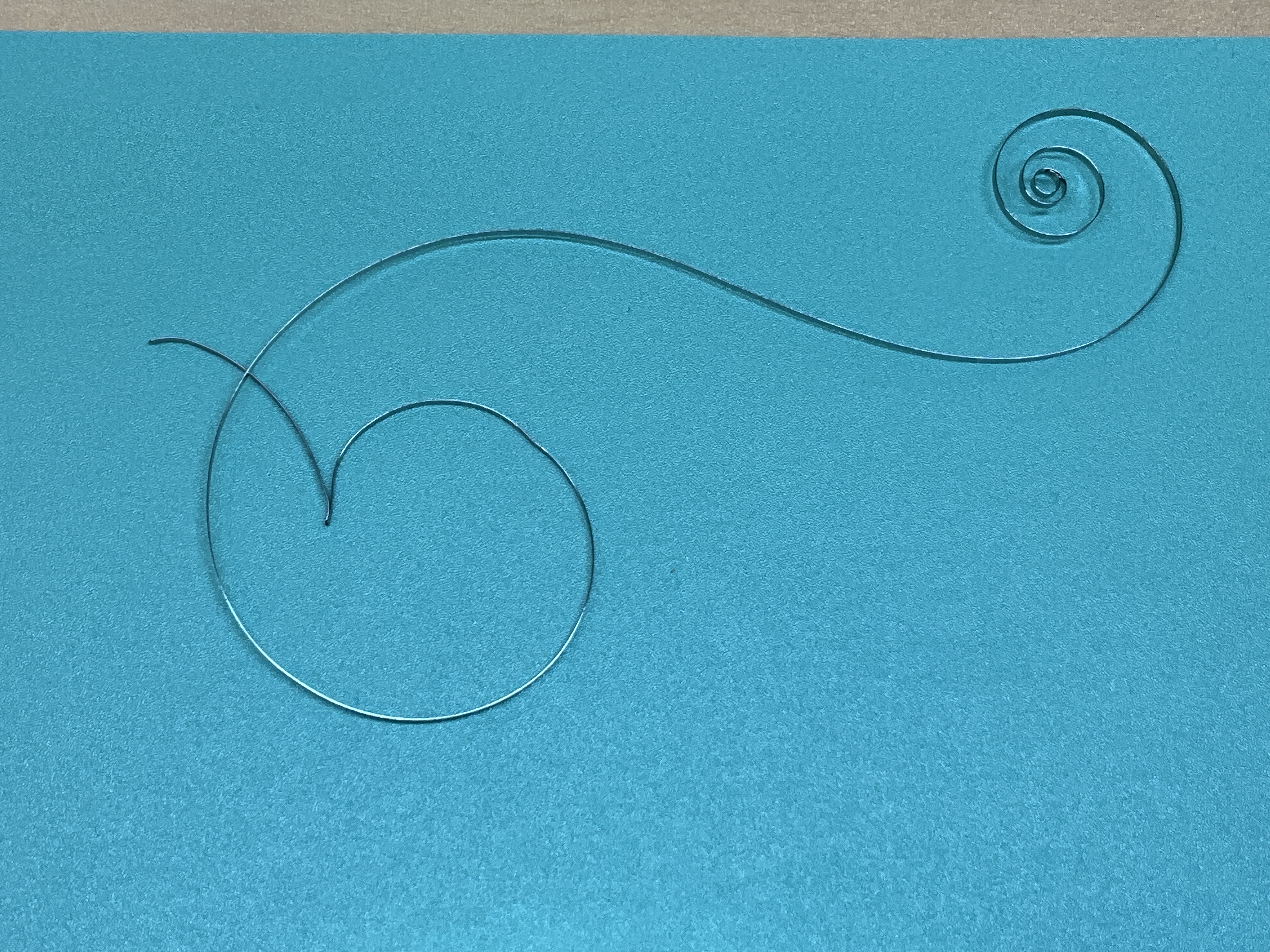
A mainspring beyond saving
The original mainspring was bent and could not be reused. There's no shortcut here — a tired or distorted mainspring robs a watch of power reserve and consistent timekeeping — so we ordered a new one.
Winding, set right
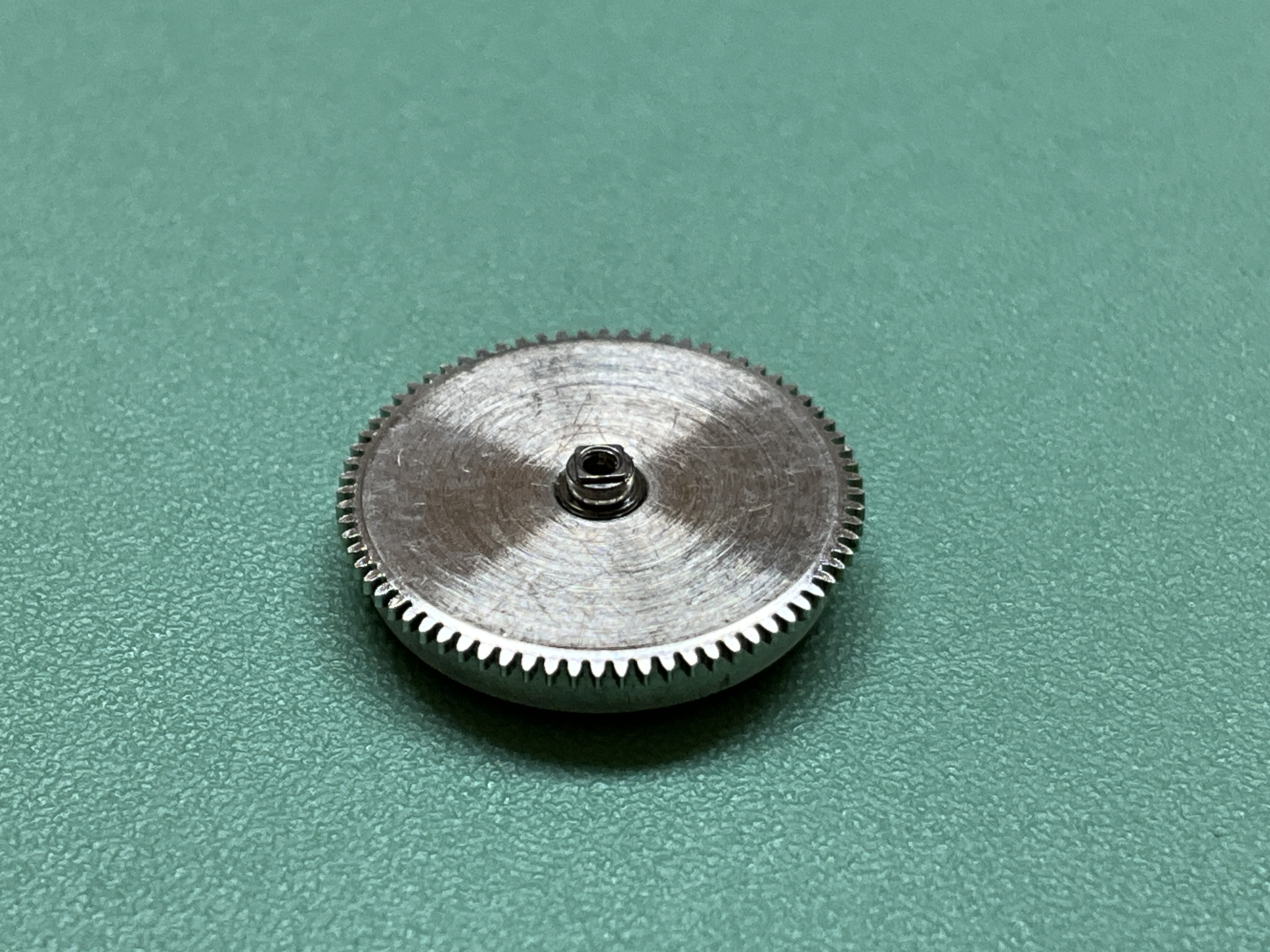
The base movement ran well, but the winding showed wear and the automatic mechanism needed a new spring clip. Fitting a replacement crown wheel resolved both the manual and automatic winding concerns.
Case service
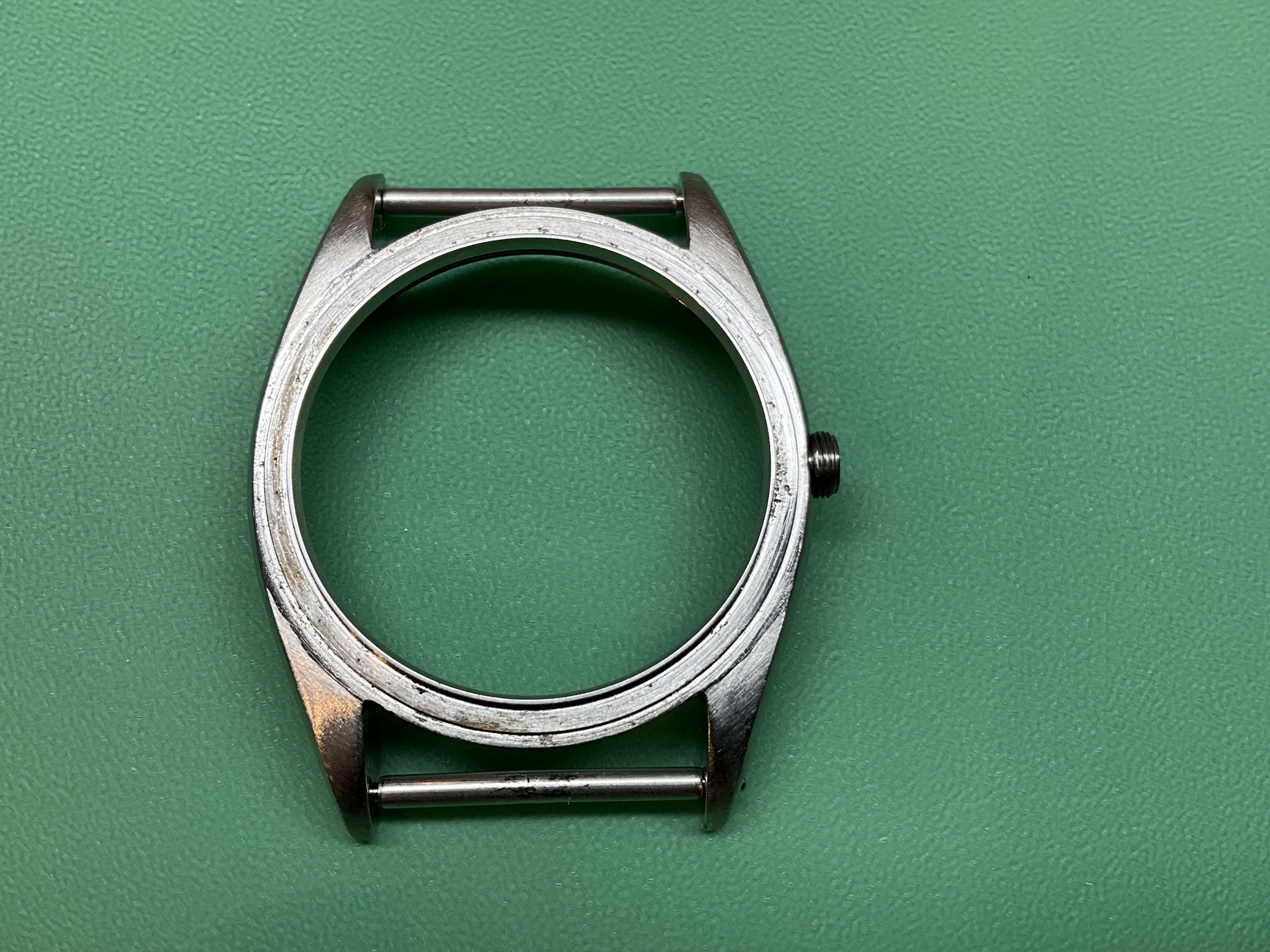
Case work brought its own small drama: the old crown tube failed on removal and had to be broached out before a new tube could be installed. A worn oscillating-weight axle bolt — the rotor was still rubbing — was replaced. The luminous paint on the hands was stabilized, and the dial and hands refitted.
Pressure-tested and regulated
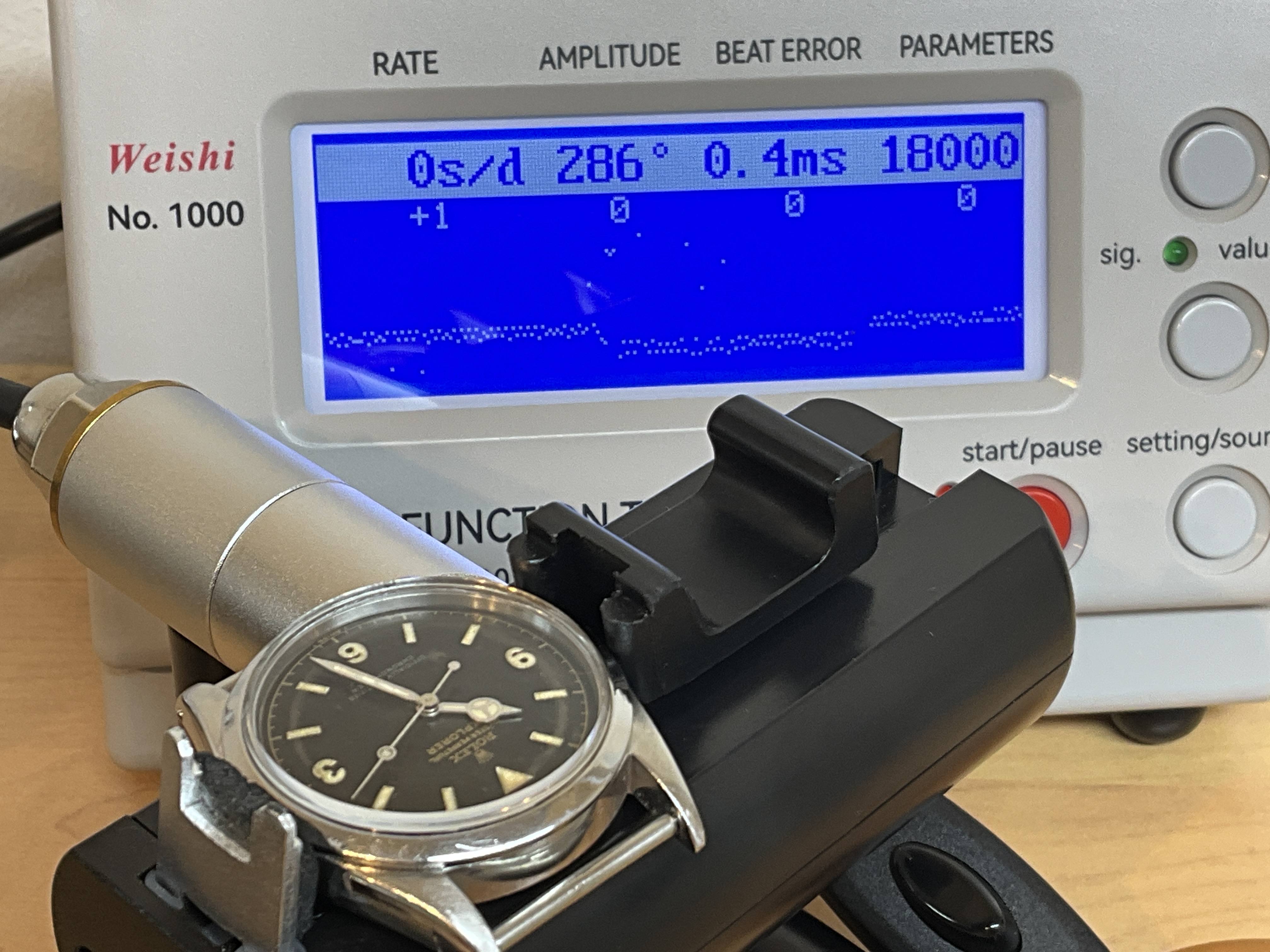
Finally, the case was pressure-tested and the movement regulated. It passed QC at +11 seconds per day with a 46-hour power reserve, then went home.
This is the kind of work we do every day: complete, documented vintage watch restoration on mechanical watches and Accutrons of every make. If you have a vintage Rolex in need of service, start an intake and tell us about it.